 contact@wurkbook.com |
  +91 94 135 26667
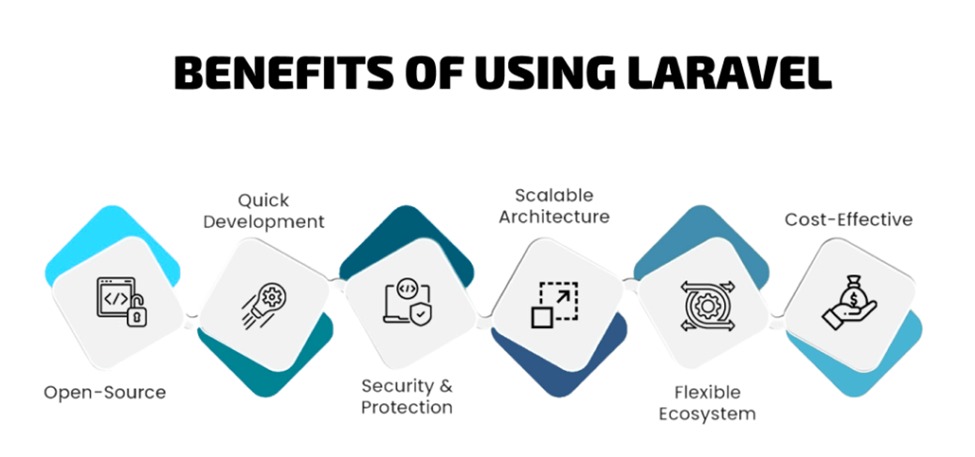
The Software-as-a-Service (SaaS) industry is evolving at an unprecedented pace. In 2026, launching a SaaS product is no longer just about building software — it’s about delivering scalability, automation, security, and intelligent user experiences from the very beginning. CTOs, SaaS founders, and technical decision-makers must carefully select a technology stack that supports rapid growth without creating technical debt.
Among all modern backend technologies, Laravel continues to stand out as one of the most reliable and future-ready frameworks for SaaS platforms. While many frameworks promise flexibility, Laravel consistently delivers structured scalability, faster development cycles, and enterprise-grade capabilities specifically suited for SaaS ecosystems.
This article explores why Laravel for SaaS remains a dominant choice in SaaS development 2026, and how its architecture empowers businesses to build scalable, secure, and AI-ready applications.
The Growing Complexity of SaaS Platforms in 2026
Modern SaaS applications must solve challenges that didn’t exist a decade ago:
- Managing thousands of tenants on one platform
- Handling subscription billing automatically
- Supporting API integrations and mobile apps
- Ensuring high availability and uptime
- Integrating AI-powered features
- Scaling infrastructure dynamically
Traditional development approaches often fail under these demands. SaaS products require structured architecture and automation-first frameworks — exactly where Laravel excels among PHP frameworks for SaaS.
Understanding Laravel’s Strength for SaaS Applications
Laravel is more than a backend framework. It provides an ecosystem designed to simplify complex application development while maintaining clean architecture.
Key reasons Laravel fits SaaS development perfectly:Rapid product development
- Clean and maintainable structure
- Built-in authentication systems
- Advanced database handling
- Modular architecture
- Seamless cloud deployment
- Strong developer ecosystem
Laravel enables startups to launch quickly while allowing enterprise-level scalability later — without rebuilding the platform.
MVC Architecture: The Foundation of Maintainable SaaS Systems
A SaaS application continuously evolves. New modules, integrations, and customer-specific features are introduced regularly. Without structured architecture, maintaining such systems becomes extremely difficult.
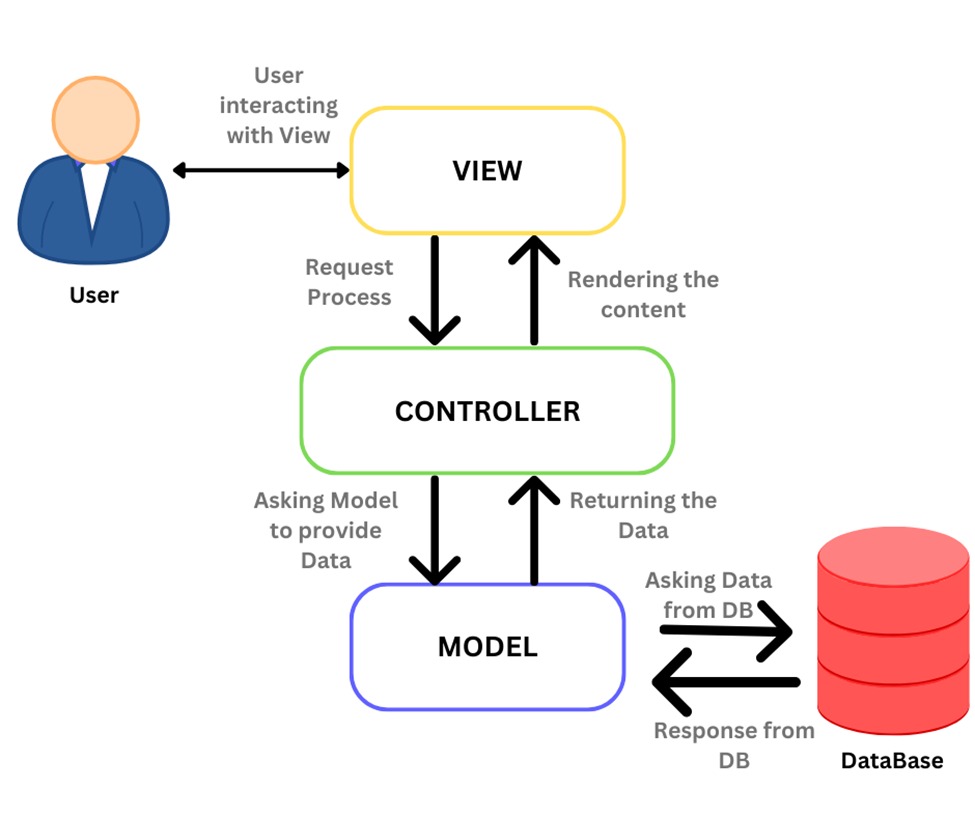
Laravel follows the Model–View–Controller (MVC) architecture.
Why MVC Matters in SaaS Development
MVC separates application responsibilities into independent layers:
- Data handling
- Business logic
- User interface
This separation prevents code complexity and allows large teams to collaborate efficiently.
Role of Models in SaaS Applications
Models manage application data and business rules. Laravel uses Eloquent ORM, which simplifies database interactions using object-oriented syntax.
Models handle:
- Database relationships
- Tenant-specific data
- Subscription records
- Business logic validation
Benefits for SaaS platforms:
- Cleaner database operations
- Reduced SQL complexity
- Faster feature expansion
- Better maintainability
Using Eloquent ORM, developers can focus on product logic rather than database management.
Controllers: Managing Request Flow
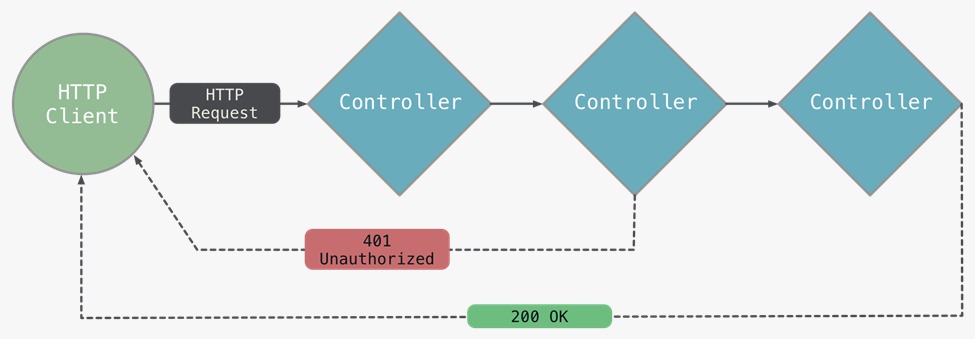
Controllers act as the operational layer of SaaS systems.
They manage:
- User requests
- API communication
- Authentication workflows
- Application responses
Controllers ensure consistent request handling across multiple tenants, making SaaS platforms stable and predictable.
View Layer Flexibility
The View layer controls presentation without affecting backend logic.
This allows SaaS businesses to:
- Upgrade UI independently
- Support web and mobile interfaces
- Build API-first platforms
Laravel Multi-Tenancy: Core Requirement for SaaS
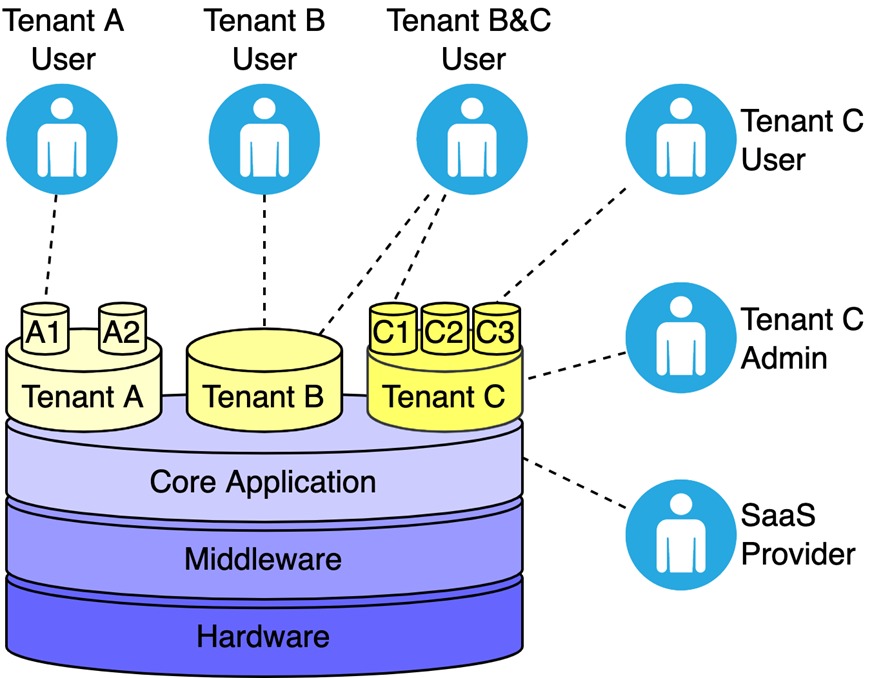
Multi-tenancy defines SaaS architecture. A single application serves multiple customers while keeping their data isolated.
Laravel makes Laravel multi-tenancy implementation straightforward.
Supported Multi-Tenant Structures
Laravel supports:
- Single database with tenant identification
- Separate database per tenant
- Hybrid tenant architecture
Advantages include:
- Reduced infrastructure cost
- Centralized updates
- Faster onboarding
- Secure customer data isolation
Multi-tenancy that might take months in other frameworks can be implemented efficiently in Laravel.
Subscription Billing and Revenue Automation
Recurring billing is the backbone of SaaS businesses.
Laravel simplifies subscription billing through tools like Laravel Cashier.
Features include:
- Recurring payments
- Trial management
- Plan switching
- Invoice generation
- Payment gateway integration
Instead of developing billing logic manually, teams can deploy monetization systems quickly and securely.
Laravel Scalability for High-Growth SaaS Products
Growth is unpredictable in SaaS. Applications must scale instantly without performance degradation.
Laravel scalability is powered by several built-in mechanisms.
Queue Management System
Heavy operations run in the background:
- Email notifications
- Payment processing
- AI analysis
- Report generation
Supported drivers:
- Redis
- Amazon SQS
- Database queues
This prevents system slowdowns during peak usage.
Advanced Caching Support
Laravel supports powerful caching layers:
- Redis
- Memcached
- File caching
Benefits:
- Faster response time
- Reduced database load
- Improved user experience
Cloud and Container Compatibility
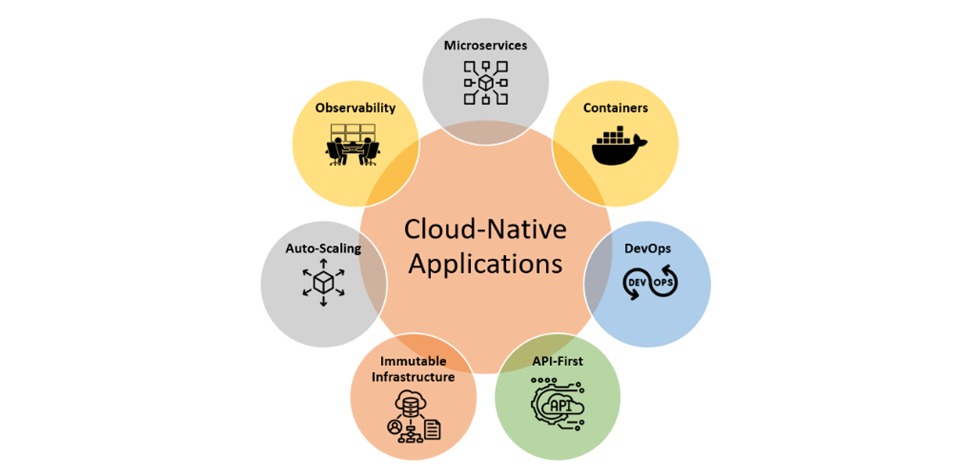
Laravel integrates easily with:
- Docker containers
- Kubernetes clusters
- AWS
- Google Cloud
- Microsoft Azure
This makes horizontal scaling seamless for growing SaaS businesses.
Laravel Modular Architecture for Long-Term Growth
Large SaaS applications fail when features become tightly coupled.
Laravel encourages Laravel modular architecture, allowing systems to grow safely.
Common SaaS modules:
- Authentication
- Billing
- Tenant Management
- Analytics
- Notifications
- AI Services
Advantages:
- Independent development teams
- Easier debugging
- Faster updates
- Reduced technical debt
Security Built for SaaS Environments
Security breaches destroy SaaS credibility. Laravel provides strong protection mechanisms by default.
Laravel protects against:
- SQL Injection
- Cross-Site Scripting (XSS)
- CSRF attacks
- Unauthorized access
Additional features include:
- Secure password hashing
- Role-based permissions
- API authentication
- Encrypted sessions
Laravel Sanctum and Passport enable secure API ecosystems essential for SaaS integrations.
AI Integration: Laravel in the Intelligent SaaS Era
AI-powered SaaS platforms dominate SaaS development 2026.
Laravel integrates smoothly with AI and automation services such as:
- Intelligent chat systems
- Predictive analytics
- Recommendation engines
- Workflow automation tools
Laravel queues process AI workloads asynchronously, ensuring performance stability.
Faster Time-to-Market for SaaS Startups
Speed determines SaaS success.
Laravel accelerates development through:
- Artisan CLI automation
- Database migrations
- Built-in testing tools
- API resource management
- Scheduled task automation
Results:
✅ Faster MVP launch
✅ Reduced development cost
✅ Continuous iteration capability
Laravel vs Other PHP Frameworks for SaaS
| Feature | Laravel | Other PHP Frameworks |
| SaaS Readiness | Excellent | Moderate |
| Multi-Tenancy Support | Easy | Complex |
| Subscription Billing | Built-in | Custom Required |
| Developer Productivity | High | Medium |
| Ecosystem Support | Massive | Limited |
Laravel consistently ranks as one of the best PHP frameworks for SaaS applications.
Pro Tips for CTOs Choosing Laravel
- Design tenancy architecture early.
- Implement queues from initial development.
- Follow API-first architecture.
- Separate business modules clearly.
- Automate testing pipelines.
These practices significantly improve long-term SaaS scalability.
Real-World SaaS Applications Built Using Laravel
Laravel powers platforms across industries:
- Healthcare SaaS systems
- CRM platforms
- Learning management systems
- Financial dashboards
- Subscription analytics platforms
Its flexibility allows startups to scale without migrating technologies.
Why Laravel Remains the Best Choice in 2026
Laravel continues to lead because it combines:
Speed
Rapid development without sacrificing architecture.
Scalability
Handles startup-to-enterprise growth smoothly.
Maintainability
Clean structure reduces long-term maintenance cost.
For organizations planning sustainable SaaS products, Laravel for SaaS offers both immediate productivity and future readiness.
Conclusion
Choosing the right framework directly impacts SaaS success. In 2026, businesses need platforms that support scalability, automation, security, and intelligent integrations.
Laravel delivers all these capabilities within a unified ecosystem.
From Laravel multi-tenancy to subscription billing, from Eloquent ORM to modular architecture, Laravel provides everything required to build modern SaaS platforms efficiently.
In 2026 wurkbook technologies help you to grow in dyanamic world
For CTOs and SaaS founders looking to build scalable and future-proof software, Laravel remains not just a framework — but a strategic advantage.